
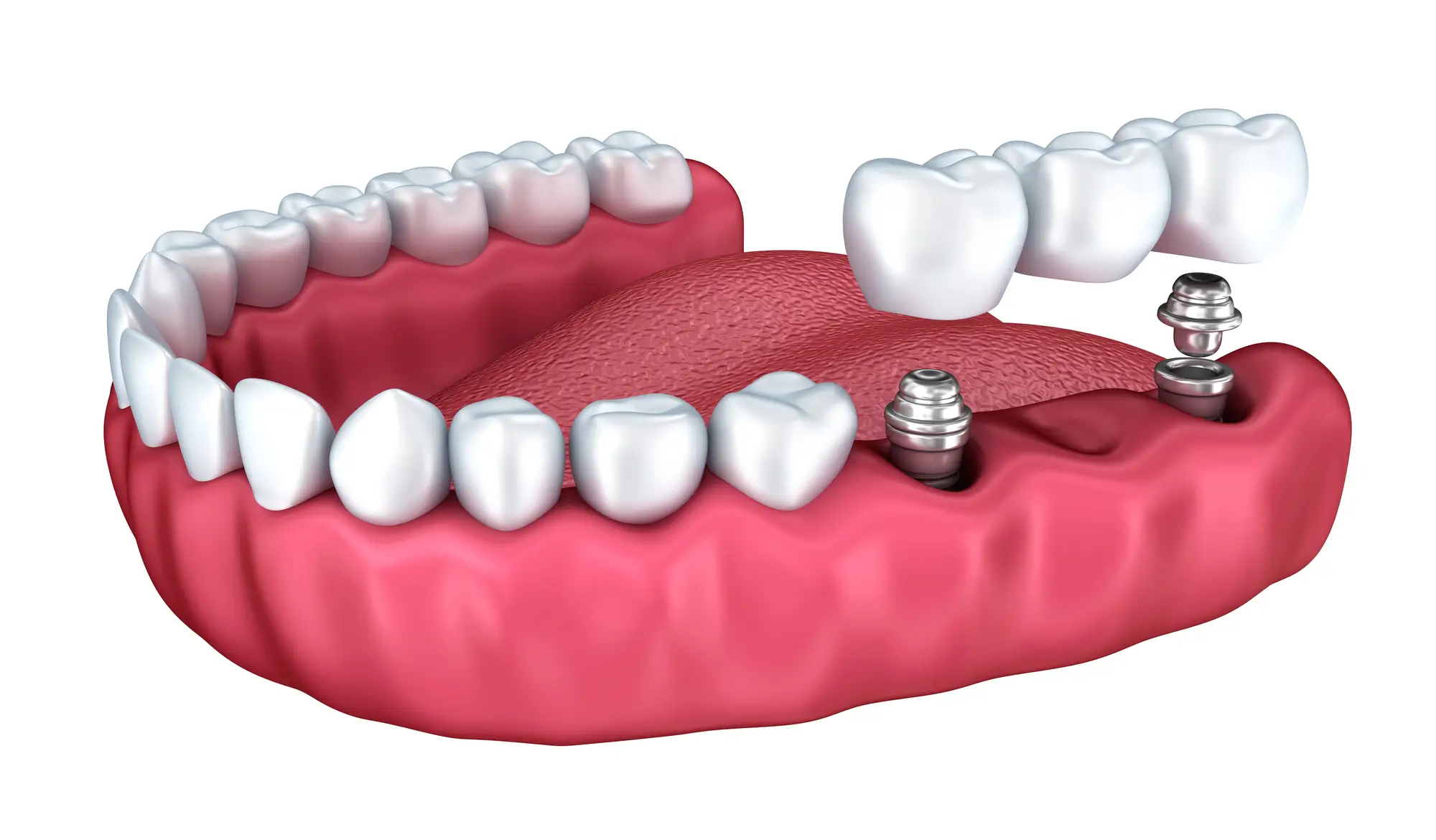
Missing teeth can affect chewing, speech, and confidence, but planning treatment starts with understanding what a dental bridge involves. For those considering Dental Bridges near Grand Prairie, understanding how candidacy, preparation, and long-term care are evaluated can help set clearer expectations before treatment begins.
What Should Happen Before a Dental Bridge Is Placed?
A dental exam and X-rays can help identify missing teeth, assess supporting structures, and check for problems that could affect treatment. Healthy gums and adequate support around the treatment area are important considerations before restorative care begins.
What preparation may be needed?
Existing decay, gum concerns, or damaged teeth may need attention before a bridge is planned. Depending on the situation, restorative treatment such as dental crowns may also be considered when a supporting tooth needs additional protection.
What Happens During and After Bridge Treatment?
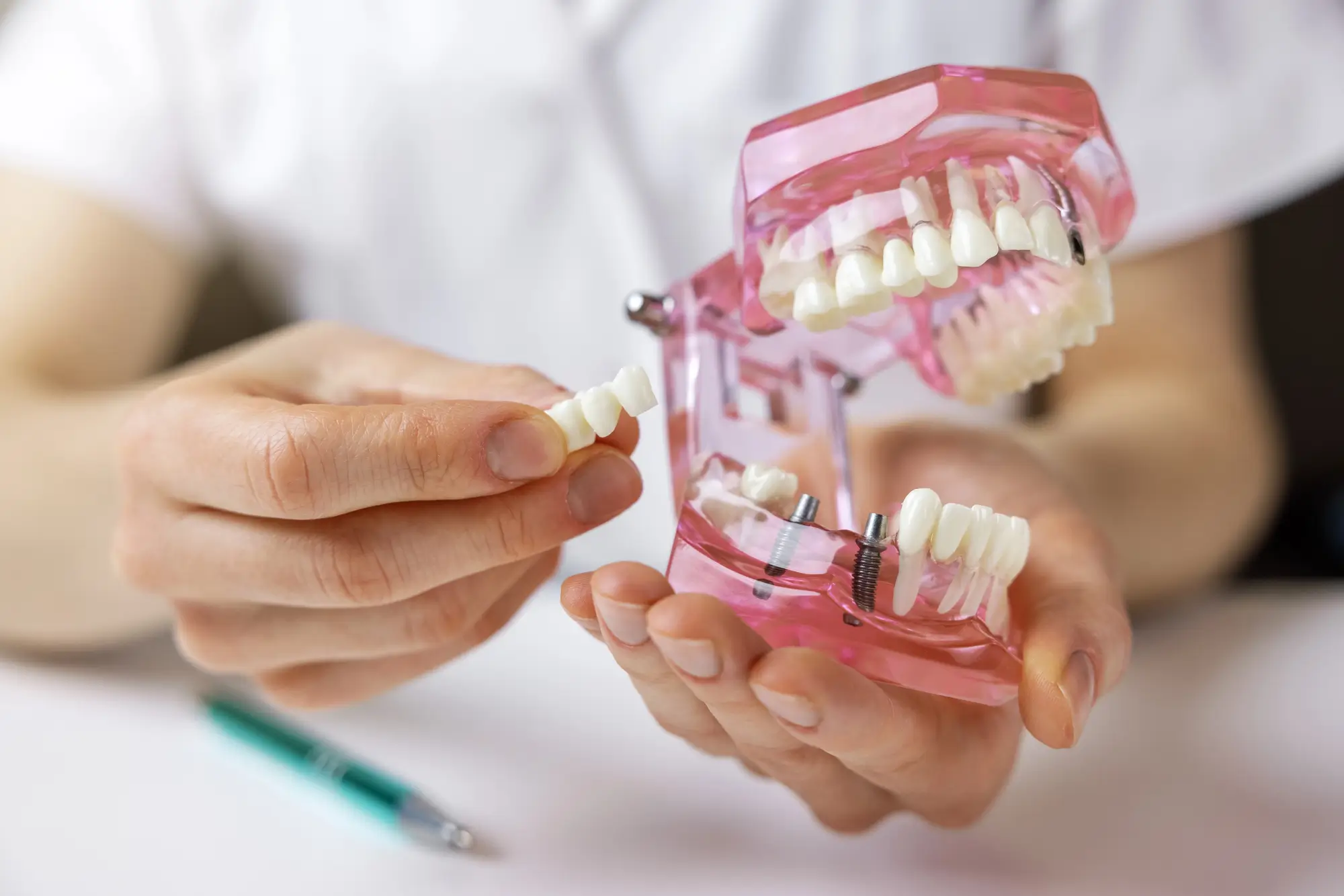
A traditional bridge generally uses crowns on neighboring teeth to support an artificial tooth; other designs may use different forms of support. The appropriate design depends on the location of the missing tooth, the condition of surrounding structures, and the overall treatment plan.
What can help a bridge last?
Good daily hygiene and routine professional care are important for maintaining the teeth and tissues around a bridge. Helpful habits include:
- Brushing twice daily with fluoride toothpaste
- Cleaning carefully around and beneath the bridge
- Maintaining regular teeth cleaning appointments
- Addressing changes such as discomfort, looseness, or sensitivity promptly
Research on dental bridges indicates that bridges can restore chewing function and help prevent neighboring teeth from shifting into the open space. Long-term success also depends on oral hygiene, the supporting teeth, and regular dental care.
Could an implant be another option?
A bridge and a dental implant replace missing teeth in different ways. In some cases, dental implants can provide support without relying on adjacent teeth, while a bridge may offer a different approach to restoring a gap.
The choice can depend on bone support, overall oral health, treatment goals, and the condition of nearby teeth. A comprehensive evaluation can help determine which restoration is appropriate for the individual situation.
Information about dental bridge treatment also explains that bridges can replace missing teeth and restore aspects of normal oral function.
Frequently Asked Questions About Dental Bridges
Can a bridge replace any missing tooth?
A bridge may be appropriate for many cases of tooth loss, but candidacy depends on the location of the gap and the condition of the supporting teeth. A dental evaluation can determine whether a bridge or another restorative option is more suitable.
How does a bridge compare with an implant?
A bridge and a dental implant replace missing teeth in different ways. Implants are anchored into the jawbone, while bridges typically rely on neighboring teeth or other supporting structures, so treatment planning is individualized.
Dental Bridges Close to Grand Prairie: What Comes Next?
Lynn Creek Dental can evaluate the area with the missing tooth and explain which restorative options may be appropriate for the circumstances. For dental bridges close to Grand Prairie, schedule a consultation with our team. We can provide a clear starting point for discussing treatment, preparation, and long-term care.
.webp)
