

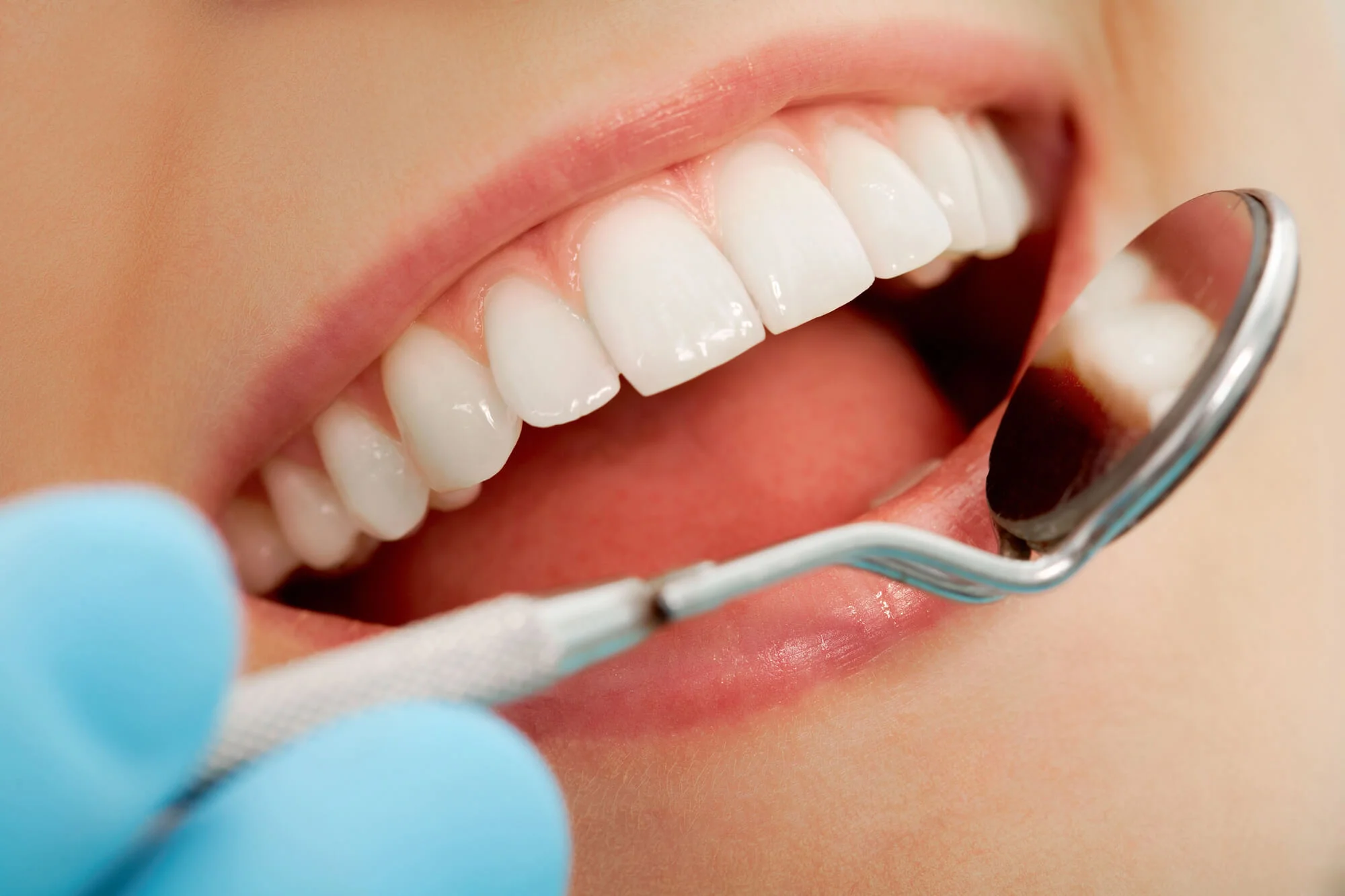
Taking care of your teeth doesn’t stop at the dental office. When it comes to maintaining strong teeth and gums, everyday habits make the biggest difference. If you’re looking for dental care in Grand Prairie, TX, you already know the importance of professional checkups. Still, what you do between those visits is just as important for keeping your smile bright and healthy.
Building Better Daily Habits
Brush and Floss the Right Way
Brushing twice a day with fluoride toothpaste removes plaque and bacteria that lead to cavities and gum disease. Choose a soft-bristled brush and replace it every three months. Spend two full minutes cleaning every surface, including your tongue.
Flossing once a day cleans the tight spaces where a toothbrush can’t reach. If traditional floss feels tricky, try floss picks or a water flosser for a more comfortable experience. Together, these small steps create a strong foundation for long-lasting oral health.
Pay Attention to What You Eat
Your diet directly impacts your smile. Sugary snacks, sodas, and acidic foods weaken enamel and create the perfect environment for cavities. Instead, aim for whole foods like leafy greens, crunchy vegetables, lean proteins, and dairy. These strengthen teeth and provide essential nutrients for gum health.
Carrying a refillable water bottle can help rinse away food particles throughout the day. Even small swaps—like choosing water over soda—make a difference over time.
Protect Your Teeth from Damage
Strong teeth also need protection. If you grind your teeth while sleeping, a nightguard reduces wear and discomfort. Athletes benefit from mouthguards that prevent chips and fractures during sports.
Even habits like chewing ice or opening packages with your teeth can cause cracks and should be avoided. Protecting your smile is easier than repairing damage later.
Simple Steps You Can Try Today
- Brush twice daily with fluoride toothpaste
- Floss once a day to clean between teeth
- Replace your toothbrush every three months
- Limit sugary drinks and acidic snacks
- Wear a mouthguard for sports or grinding
- Visit your dentist at least twice a year
Don’t Skip Regular Dental Visits
Professional Cleanings Matter
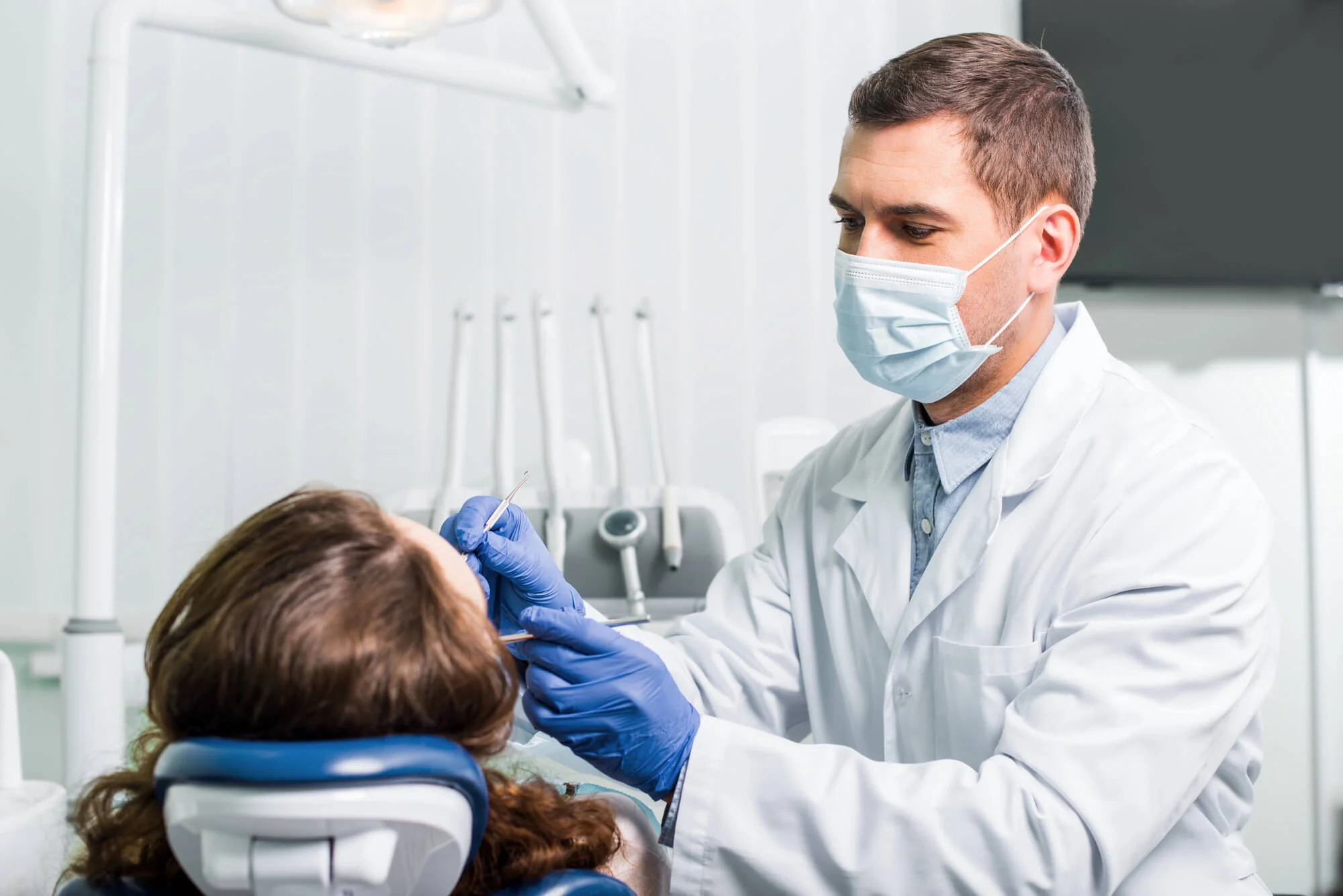
At-home care is important, but nothing replaces professional cleanings. Dental tools reach areas that a brush or floss can't. Hygienists remove stubborn tartar, polish teeth, and check gum health. Regular exams also catch early signs of decay, gum disease, or oral cancer before they progress.
Prevention Saves Time and Money
Preventive visits may feel routine, but they protect you from painful, expensive problems later. A cavity detected early may only need a small filling, while one left untreated can require a crown or root canal. Prevention not only keeps your smile healthy but also saves you stress and money in the long run.
Choosing the Right Toothbrush, Toothpaste, and Mouthwash
The tools you use matter almost as much as how you use them:
- Electric vs. manual toothbrush: Both work well when used correctly. Electric brushes with a built-in two-minute timer and pressure sensor make it easier to brush for the full two minutes without scrubbing too hard. They're especially helpful for people with braces, arthritis, or a tendency to rush.
- Toothpaste: Choose a fluoride toothpaste with the ADA Seal of Acceptance. If cold drinks make your teeth sting, a toothpaste made for sensitive teeth can help over a few weeks of regular use.
- Mouthwash: Mouthwash isn't required, but it can add protection. Fluoride rinses help strengthen enamel, and antibacterial rinses reduce plaque and bad breath. Alcohol-free versions are gentler if you have a dry mouth.
Timing Tricks Most People Get Wrong
Small changes in timing can make your daily routine more effective:
- Spit, don't rinse: After brushing, spit out the extra toothpaste but skip rinsing with water. Leaving a thin layer of fluoride on your teeth gives it more time to work.
- Wait after acidic foods: Coffee, citrus, soda, and wine temporarily soften enamel. Wait 30 to 60 minutes before brushing, or rinse with water first.
- Chew sugar-free gum after meals: Gum sweetened with xylitol boosts saliva, which helps neutralize acids and wash away food when you can't brush.
- Floss before you brush: Clearing out the spaces between teeth first lets fluoride reach more of each tooth's surface.
Keeping Your Smile Bright Between Cleanings
Stains build up gradually, so prevention makes a big difference. Drinking coffee, tea, or soda through a straw limits contact with your front teeth. A quick water rinse after dark foods and drinks also helps. Quitting tobacco is one of the most effective ways to prevent yellowing.
If you're thinking about whitening, be cautious with at-home kits and online trends. Overusing whitening strips can increase sensitivity, and abrasive "whitening hacks" like baking soda scrubs or charcoal powders can wear down enamel. Ask your dentist which products are safe for your teeth, or whether professional whitening would give faster, more even results.
Caring for Braces, Aligners, Crowns, and Implants
Dental work needs a little extra attention at home:
- Braces: Use a floss threader or water flosser to clean around wires and brackets.
- Clear aligners: Brush your teeth before putting aligners back in, and rinse the trays daily.
- Crowns and bridges: Floss carefully around the edges. Use a floss threader under bridges.
- Implants: Clean them just like natural teeth. Gum health around implants is key to keeping them long-term.
When Not to Wait for Your Next Checkup
Good habits prevent most problems, but some signs mean you should call your dentist now rather than waiting for your next visit:
- Gums that bleed every time you brush or floss for more than a week or two
- New sensitivity to hot, cold, or sweets that doesn't go away
- A chipped or cracked tooth, or a filling that feels rough or loose
- A sore, white, or red patch in your mouth that hasn't healed after two weeks
- Bad breath that doesn't improve with better brushing and flossing
Catching these early often means a simpler fix. At-home habits and professional dental care in Grand Prairie, TX, work best together.
Experience Lasting Benefits of Regular Dental Care in Grand Prairie, TX
The habits you practice daily make every dental appointment more effective. Consistent brushing, flossing, mindful eating, and wearing protective gear keep your smile strong. Combine those choices with professional cleanings, and you’ll enjoy healthier teeth, fresher breath, and a confident smile that lasts.
Ready to give your smile the care it deserves? Schedule your next appointment with Lynn Creek Dental today.
Save us as a Preferred Source!

